✨ New Arrivals Just Dropped!Explore
HomeStore

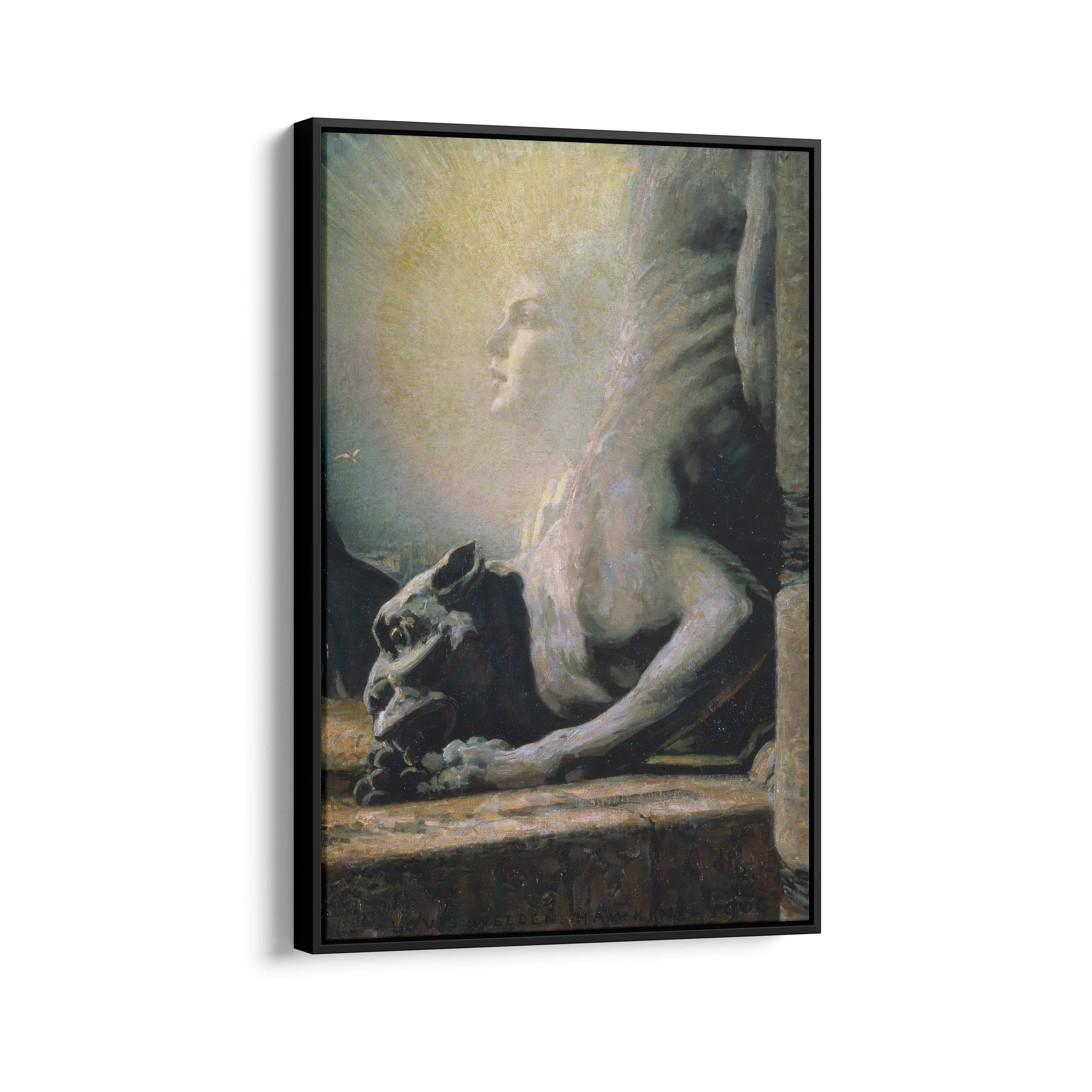
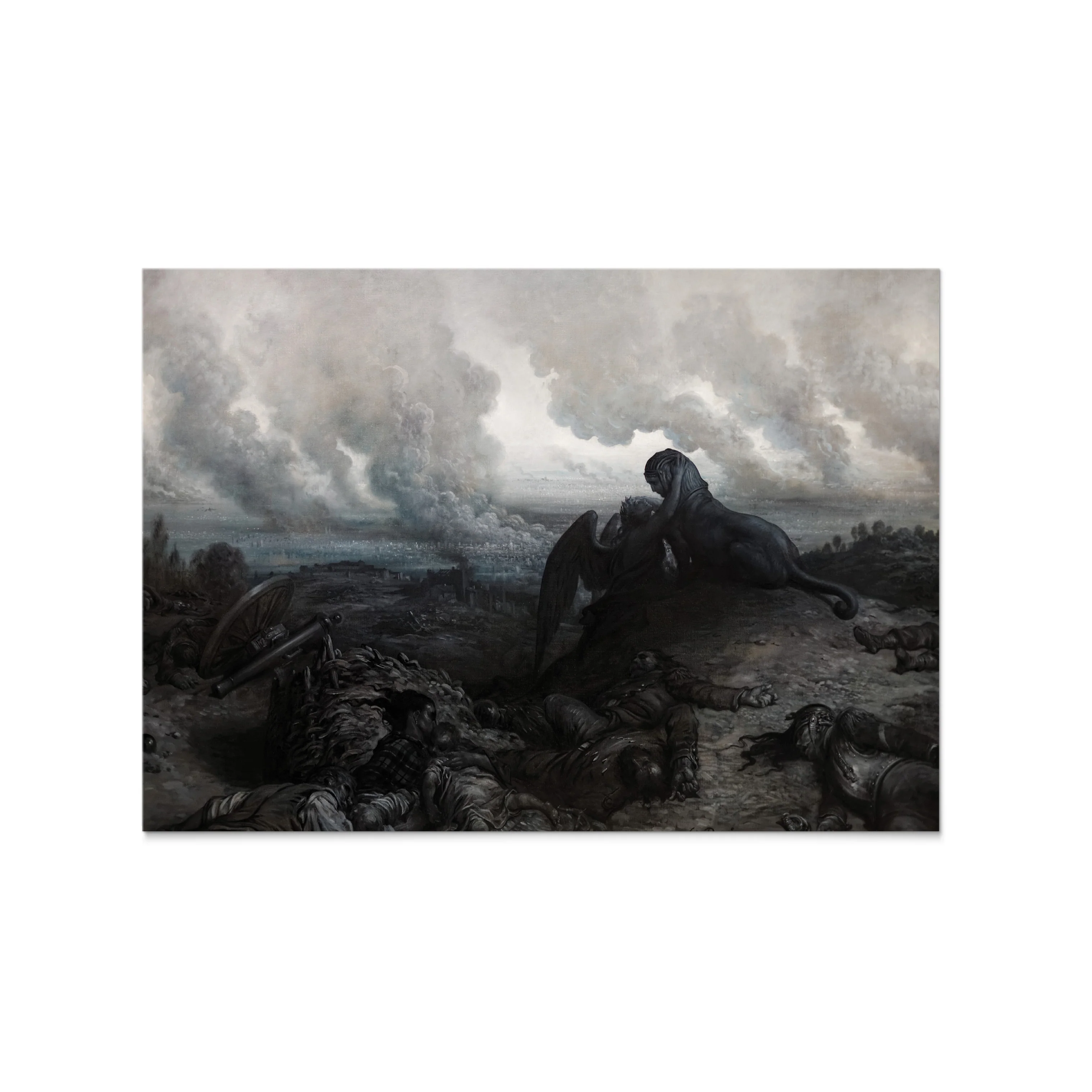
The Sphinx and the Chimera | Louis Welden Hawkins | c. 1905

Product image 1
Product image 2
Product image 3
Product image 4
Product image 5
Product image 6
Product image 7
Product image 8

The Sphinx and the Chimera | Louis Welden Hawkins | c. 1905

The Sphinx and the Chimera | Louis Welden Hawkins | c. 1905

About the artwork:

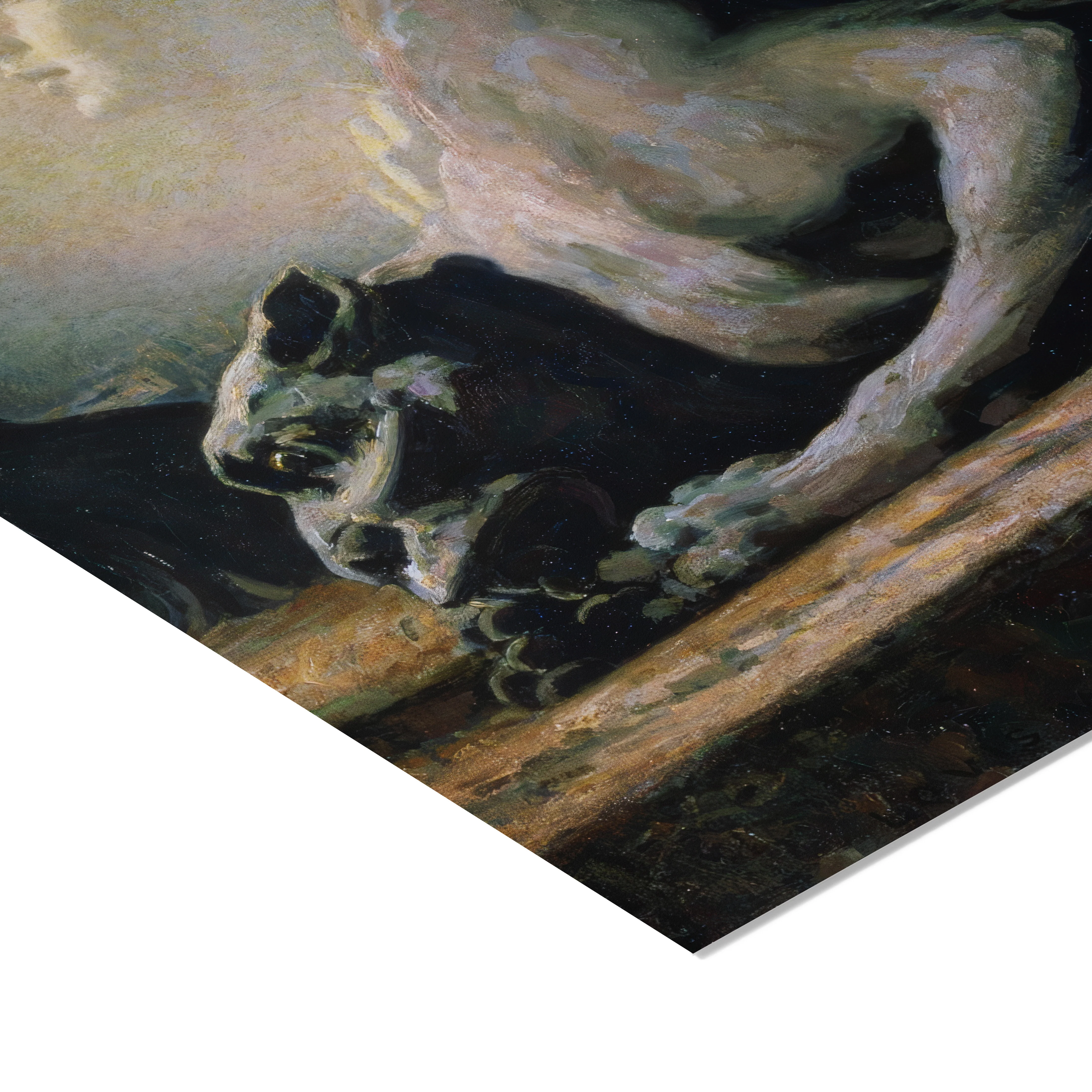
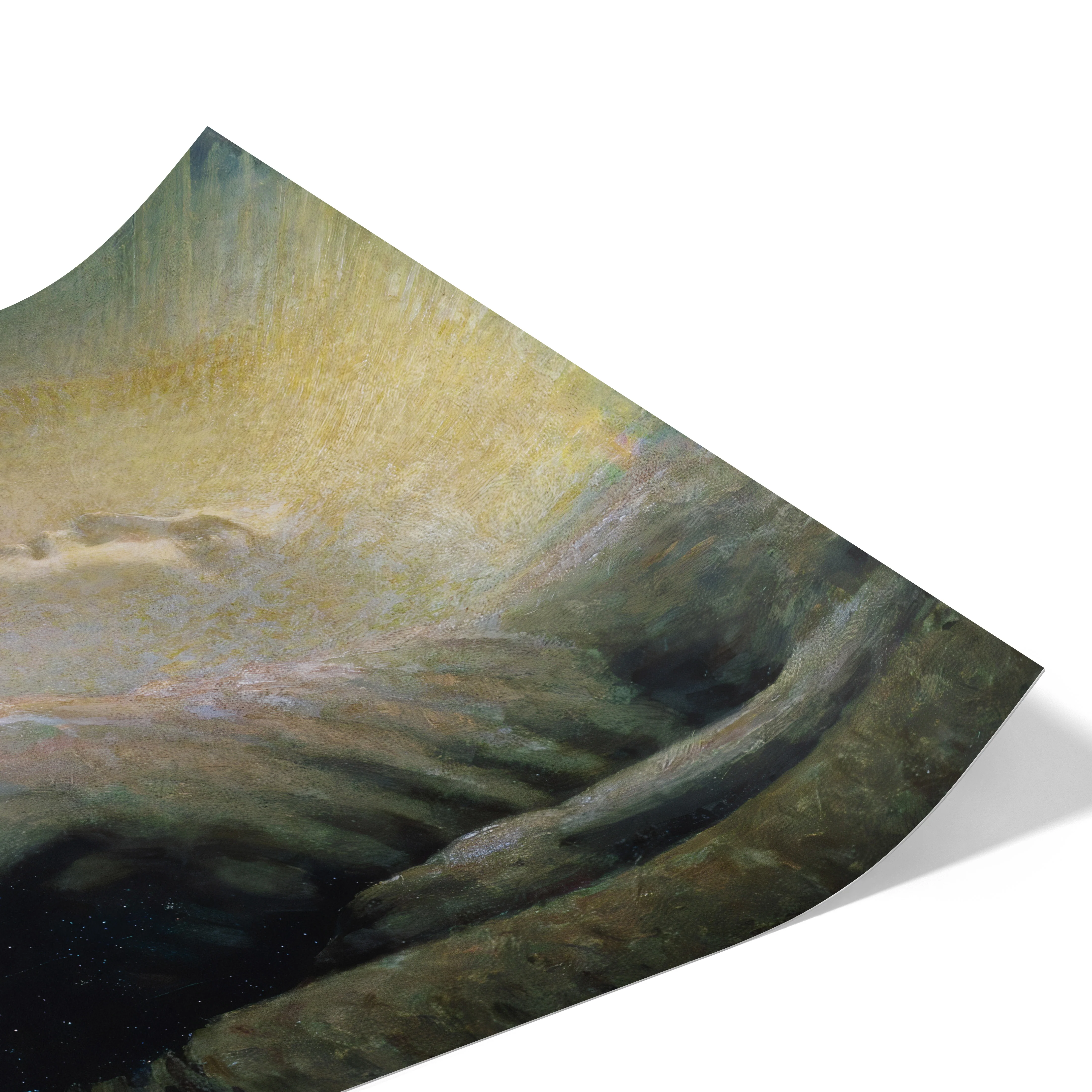
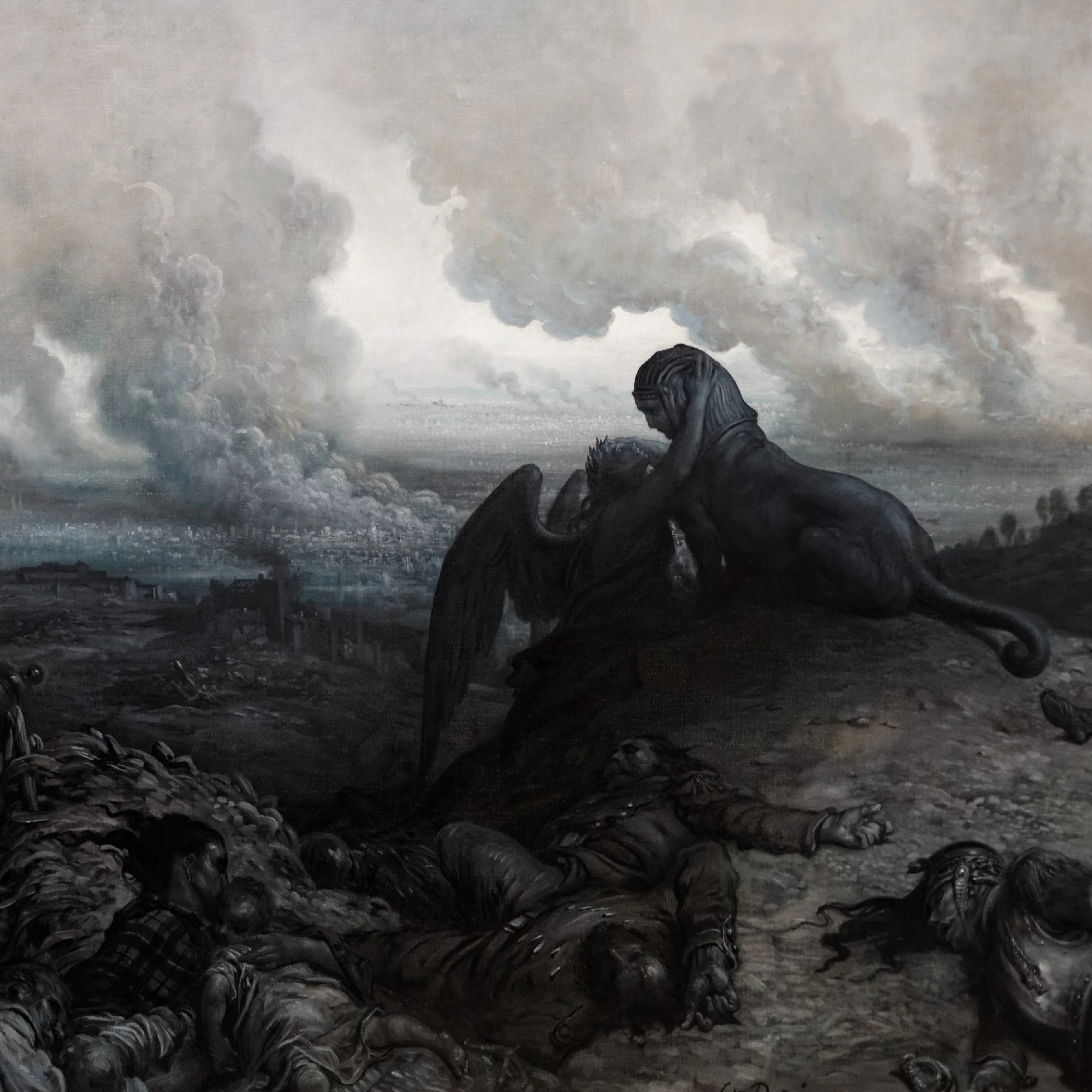
The Sphinx and the Chimera (c. 1905) by Louis Welden Hawkins is a haunting symbolist work that fuses myth and allegory into a dreamlike, enigmatic scene. The Sphinx, a figure of mystery and fatal knowledge, sits in serene dominance, while the Chimera, a hybrid beast born of nightmare, lurks as a counterforce of chaos and destruction. Hawkins, associated with the French Symbolist circle, uses soft tones, delicate brushwork, and a surreal atmosphere to dissolve the boundary between the real and the imaginary. Rather than depicting myth for its narrative value, he reinterprets it as an inner drama — the eternal conflict between reason and instinct, beauty and monstrosity, the known and the unknowable. Painted at the height of Symbolism’s influence in Europe, the work reflects the era’s fascination with the unconscious, mythological archetypes, and the darker dimensions of the human psyche.

Select Select Size
Select Frame Options
From $89.35

Original: $297.82

-70%
The Sphinx and the Chimera | Louis Welden Hawkins | c. 1905

$297.82

$89.35

Product Information

Shipping & Returns

Description

About the artwork:
The Sphinx and the Chimera (c. 1905) by Louis Welden Hawkins is a haunting symbolist work that fuses myth and allegory into a dreamlike, enigmatic scene. The Sphinx, a figure of mystery and fatal knowledge, sits in serene dominance, while the Chimera, a hybrid beast born of nightmare, lurks as a counterforce of chaos and destruction. Hawkins, associated with the French Symbolist circle, uses soft tones, delicate brushwork, and a surreal atmosphere to dissolve the boundary between the real and the imaginary. Rather than depicting myth for its narrative value, he reinterprets it as an inner drama — the eternal conflict between reason and instinct, beauty and monstrosity, the known and the unknowable. Painted at the height of Symbolism’s influence in Europe, the work reflects the era’s fascination with the unconscious, mythological archetypes, and the darker dimensions of the human psyche.