✨ New Arrivals Just Dropped!Explore
HomeStore

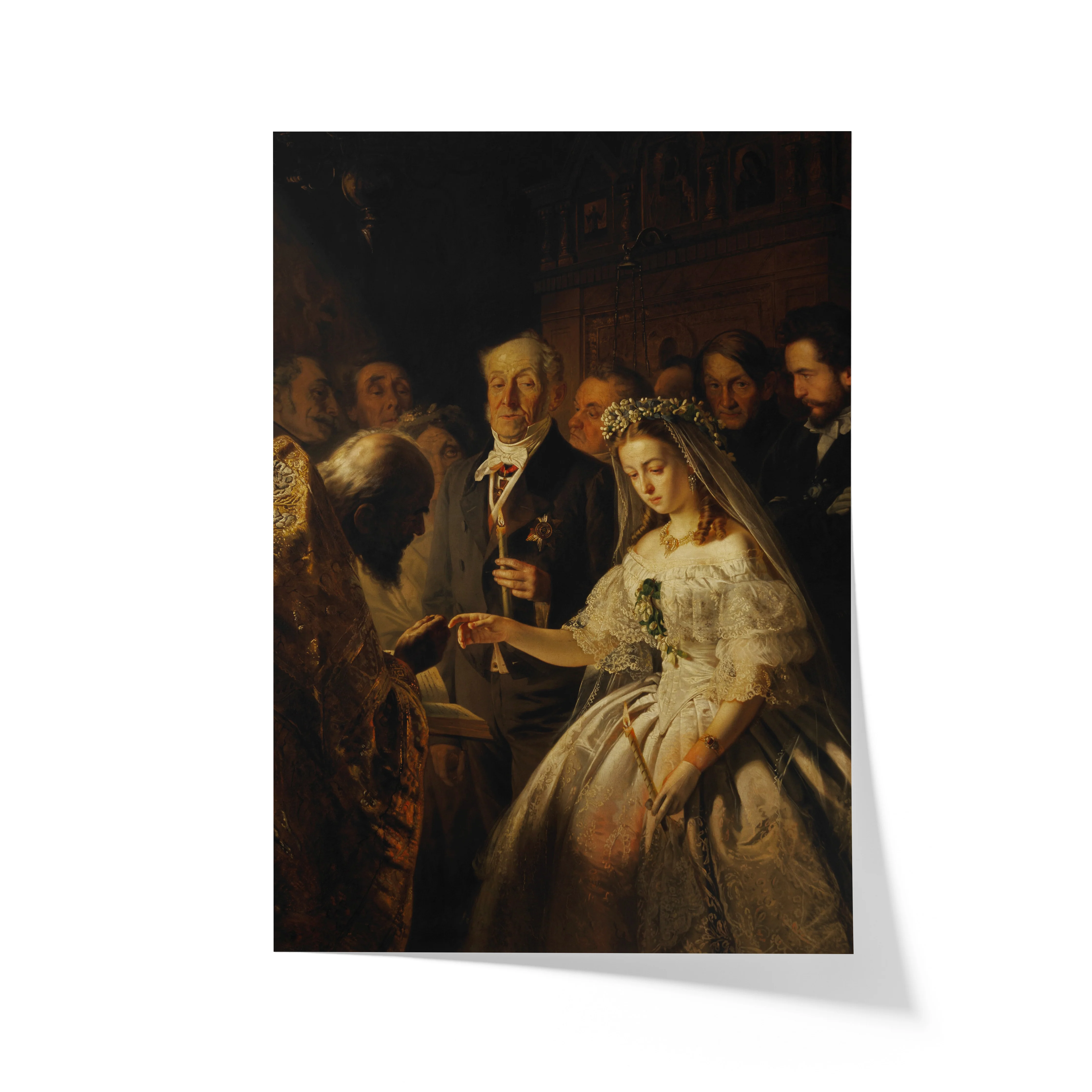
The Unequal Marriage | Vasili Pukirev | 1862

Product image 1
Product image 2
Product image 3
Product image 4
Product image 5
Product image 6
Product image 7
Product image 8

The Unequal Marriage | Vasili Pukirev | 1862

The Unequal Marriage | Vasili Pukirev | 1862

About the artwork:

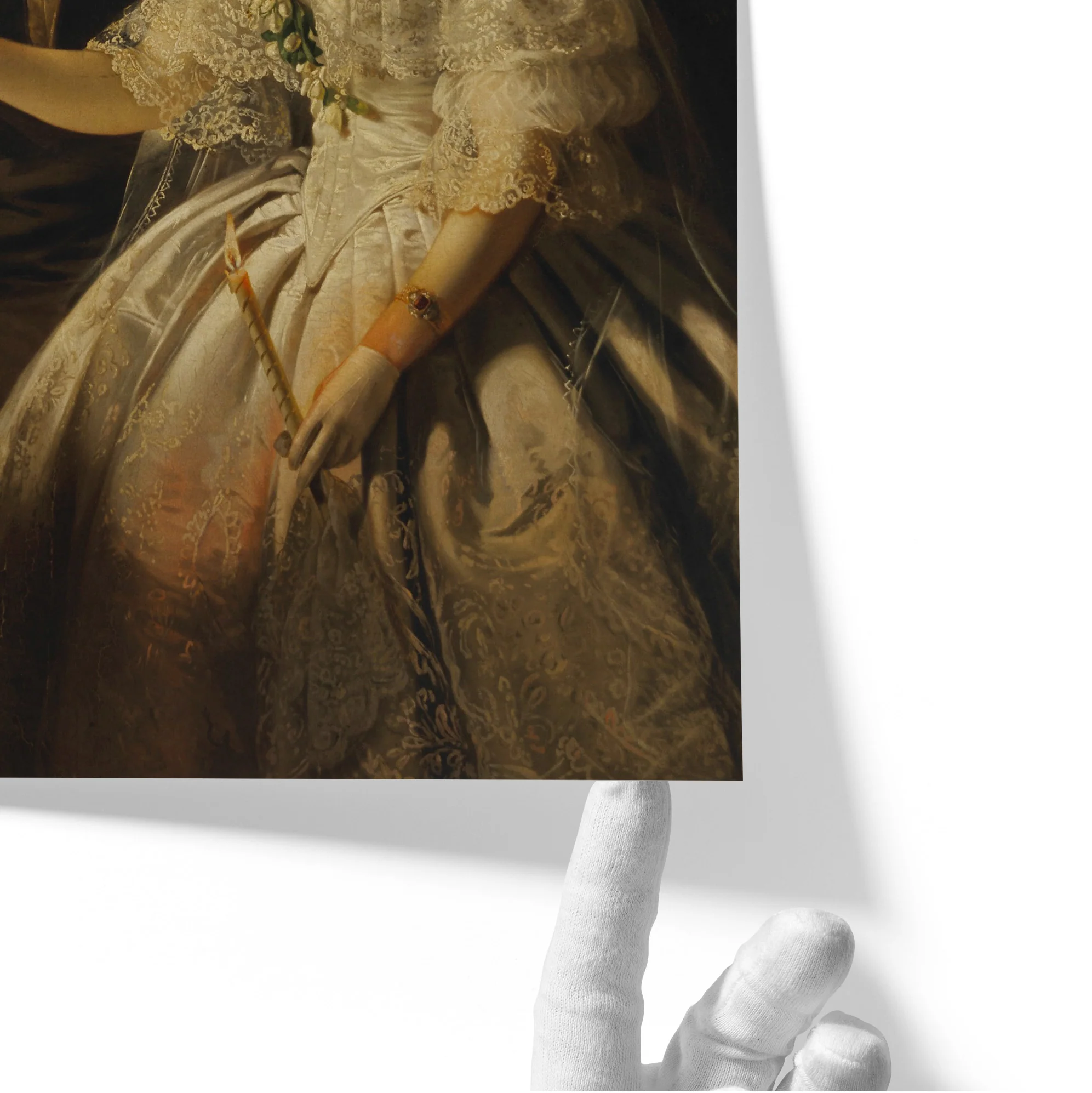
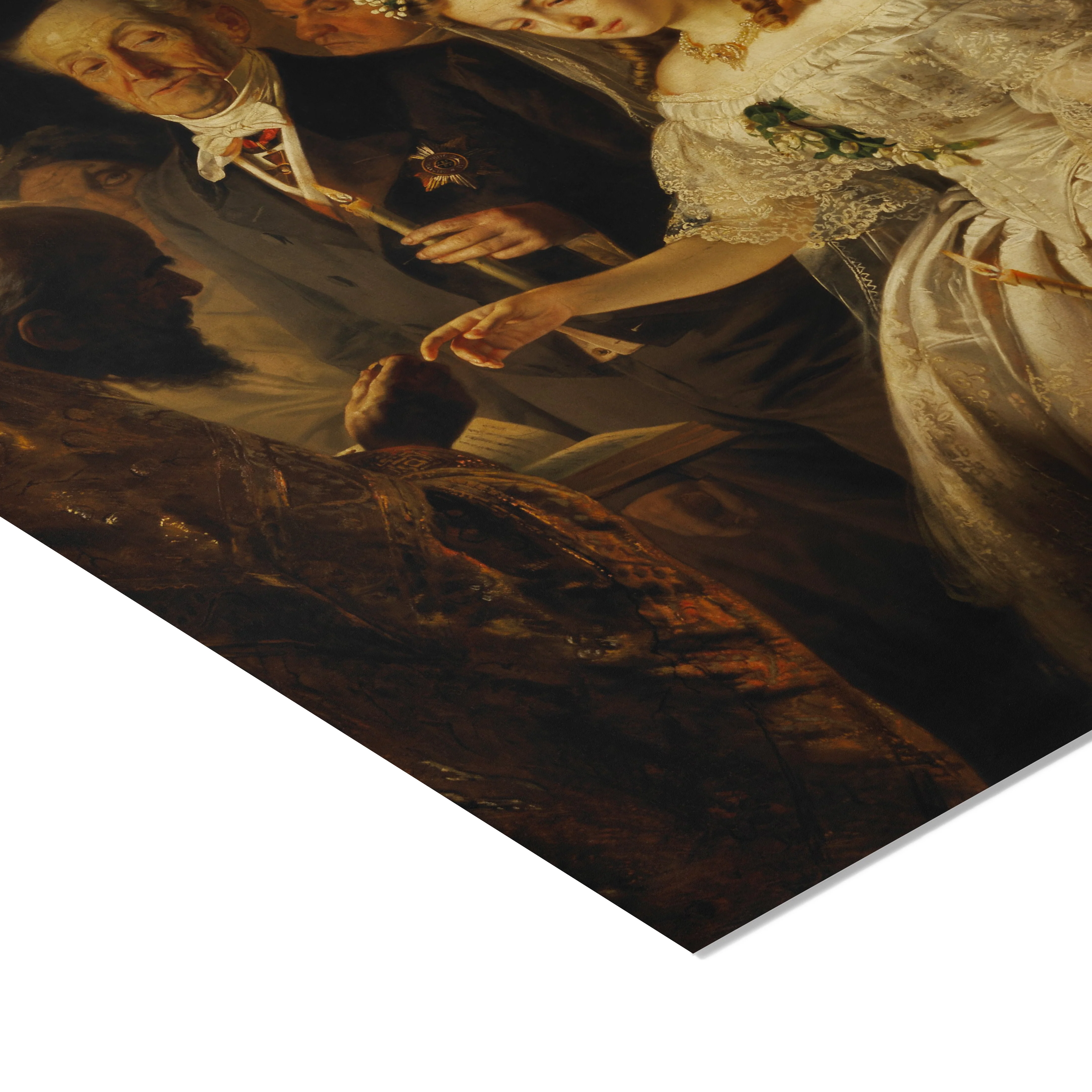
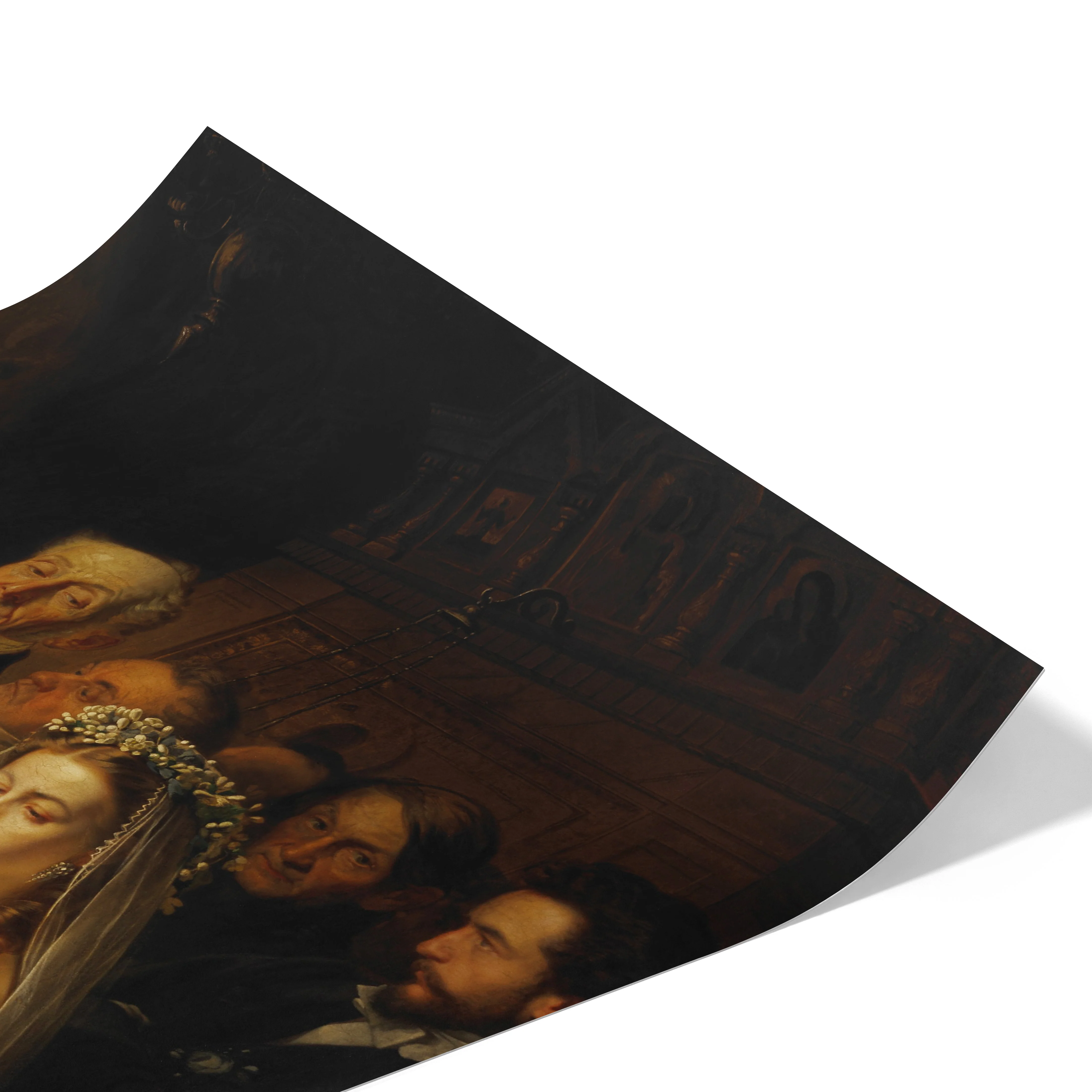
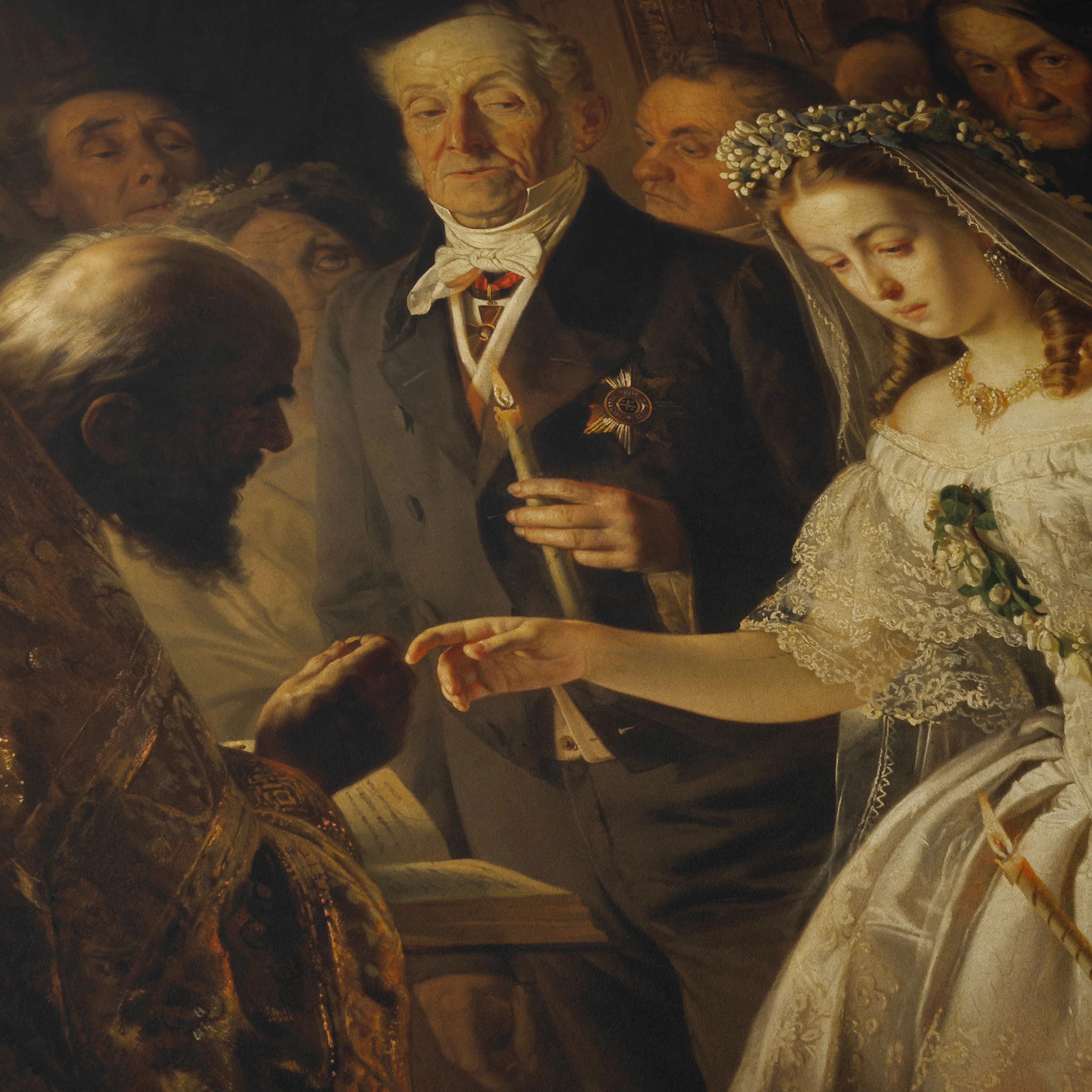
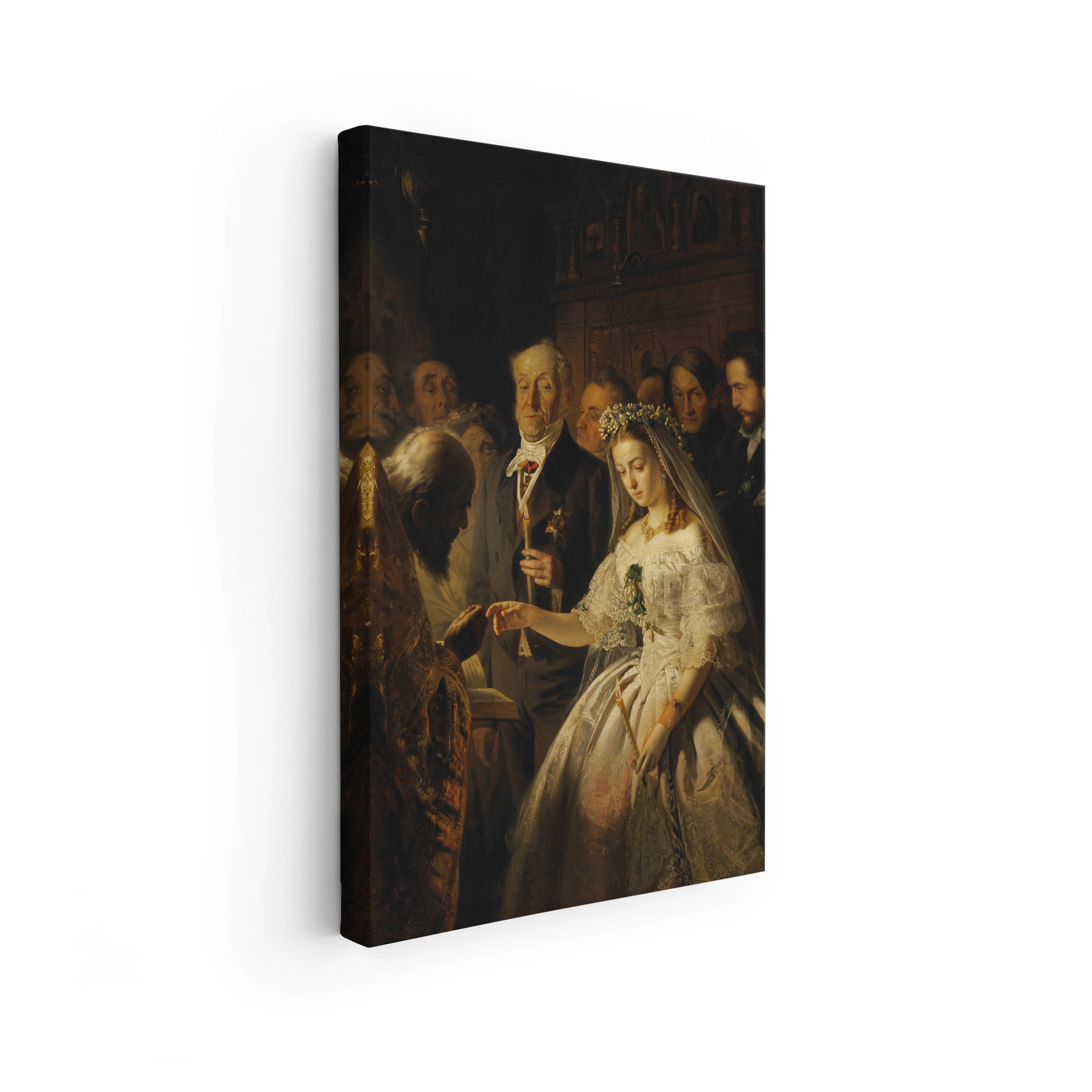
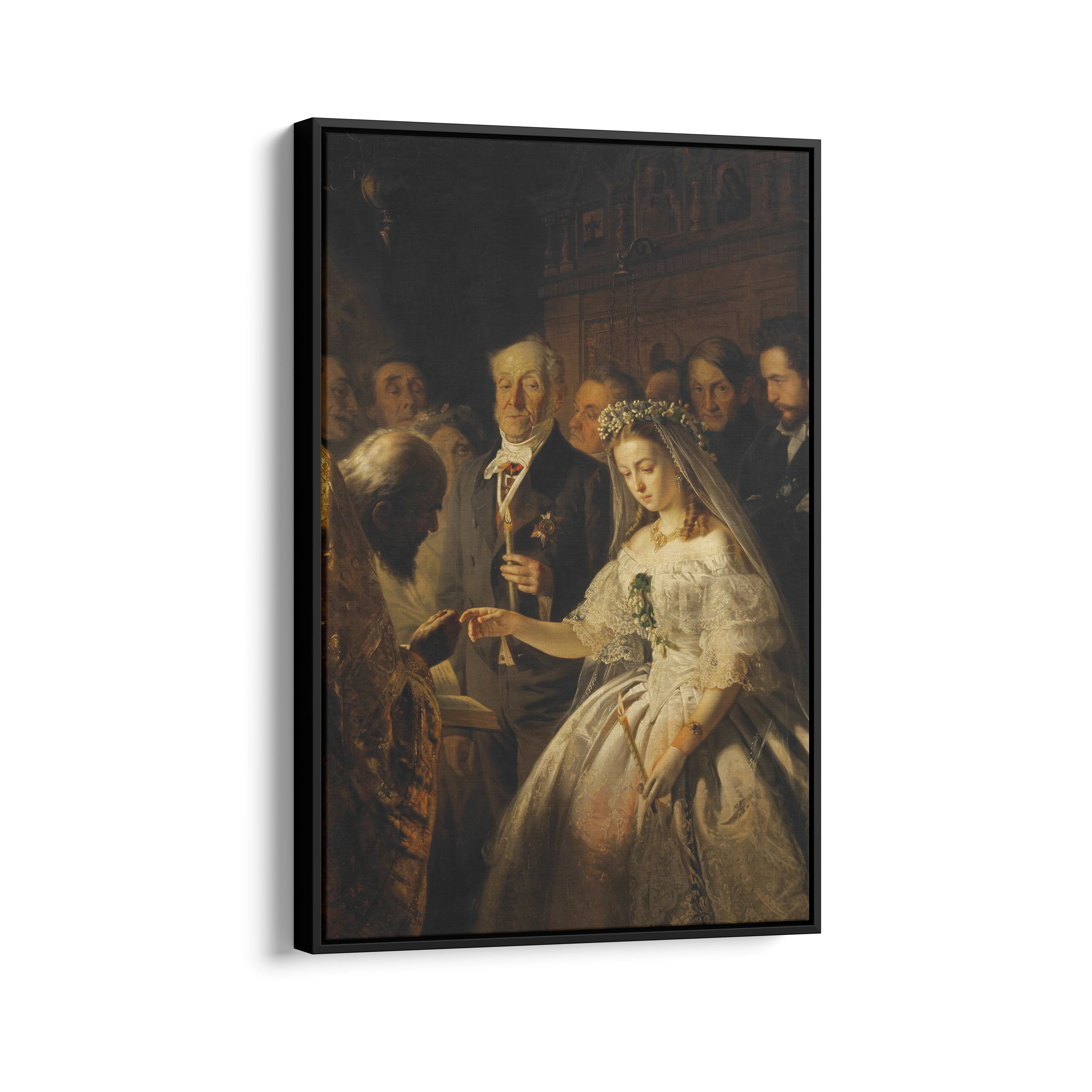
The Unequal Marriage (1862) by Vasili Pukirev is a haunting critique of forced marriages in 19th-century Russia. At the center of the painting, a young woman stands solemn and resigned as she weds a much older man, while the people around them appear indifferent or complicit, emphasizing the societal norms that allowed such arrangements. The contrast between the bride’s pale, tense expression and the groom’s smug demeanor underscores the imbalance of power. Pukirev included himself in the painting as one of the somber onlookers, suggesting a personal connection—rumored to be inspired by a woman he loved who was married off for convenience. Subtle details, like the ghostly figures behind the priest, hint at the haunting nature of the union and the silent tragedy unfolding beneath the surface of what should be a joyous occasion.

Select Select Size
Select Frame Options
From $89.35

Original: $297.82

-70%
The Unequal Marriage | Vasili Pukirev | 1862

$297.82

$89.35

Product Information

Shipping & Returns

Description

About the artwork:
The Unequal Marriage (1862) by Vasili Pukirev is a haunting critique of forced marriages in 19th-century Russia. At the center of the painting, a young woman stands solemn and resigned as she weds a much older man, while the people around them appear indifferent or complicit, emphasizing the societal norms that allowed such arrangements. The contrast between the bride’s pale, tense expression and the groom’s smug demeanor underscores the imbalance of power. Pukirev included himself in the painting as one of the somber onlookers, suggesting a personal connection—rumored to be inspired by a woman he loved who was married off for convenience. Subtle details, like the ghostly figures behind the priest, hint at the haunting nature of the union and the silent tragedy unfolding beneath the surface of what should be a joyous occasion.